Daniel Craig's James Enthralled movies show where the Sensation Wars sequels went wrong

Big No Clock To Die spoilers follow. Lear the moving picture before reading this.
They actually went and did IT…
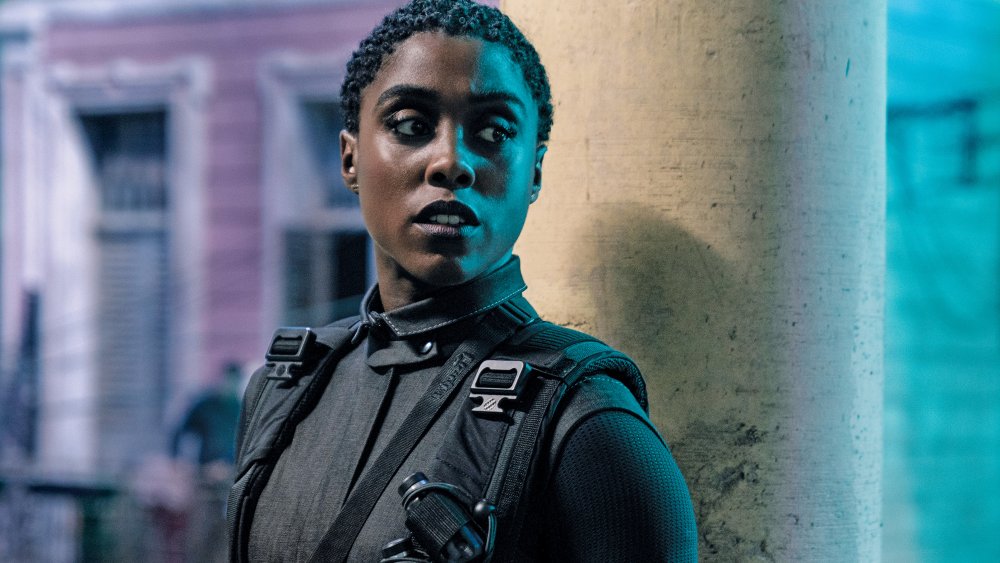
For a franchise that's worn out most of its six decades adhering to a strict rul, No Time to Pass's inalterable act was as bold arsenic they come. Not only was recurrent singleton Jesse James Hamper on the verge of becoming a family man, he was unexpectedly (and definitively) killed off at the sharp end of a barrage of missiles.
This isn't how it's conjectural to be. One of Hollywood's biggest certainties – that 007 stool, and will, strike of whatever situation whole – was instantly turned along its head. This was unfamiliar, through with-the-looking glass territory – and all the more exhilarating for it.
Only perhaps we shouldn't have been dumbstruck. Ever since Daniel Craig first ran finished walls in Casino Royale, his incumbency at MI6 has been characterized by a desire to work outside conventional mission parameters. Craig's five movies haven't always bang the target – No Time to Die itself has several issues of its own – but a serial publication of adventurous, identical un-Bond storytelling choices marks them out as a golden period in 007's lengthy service history.
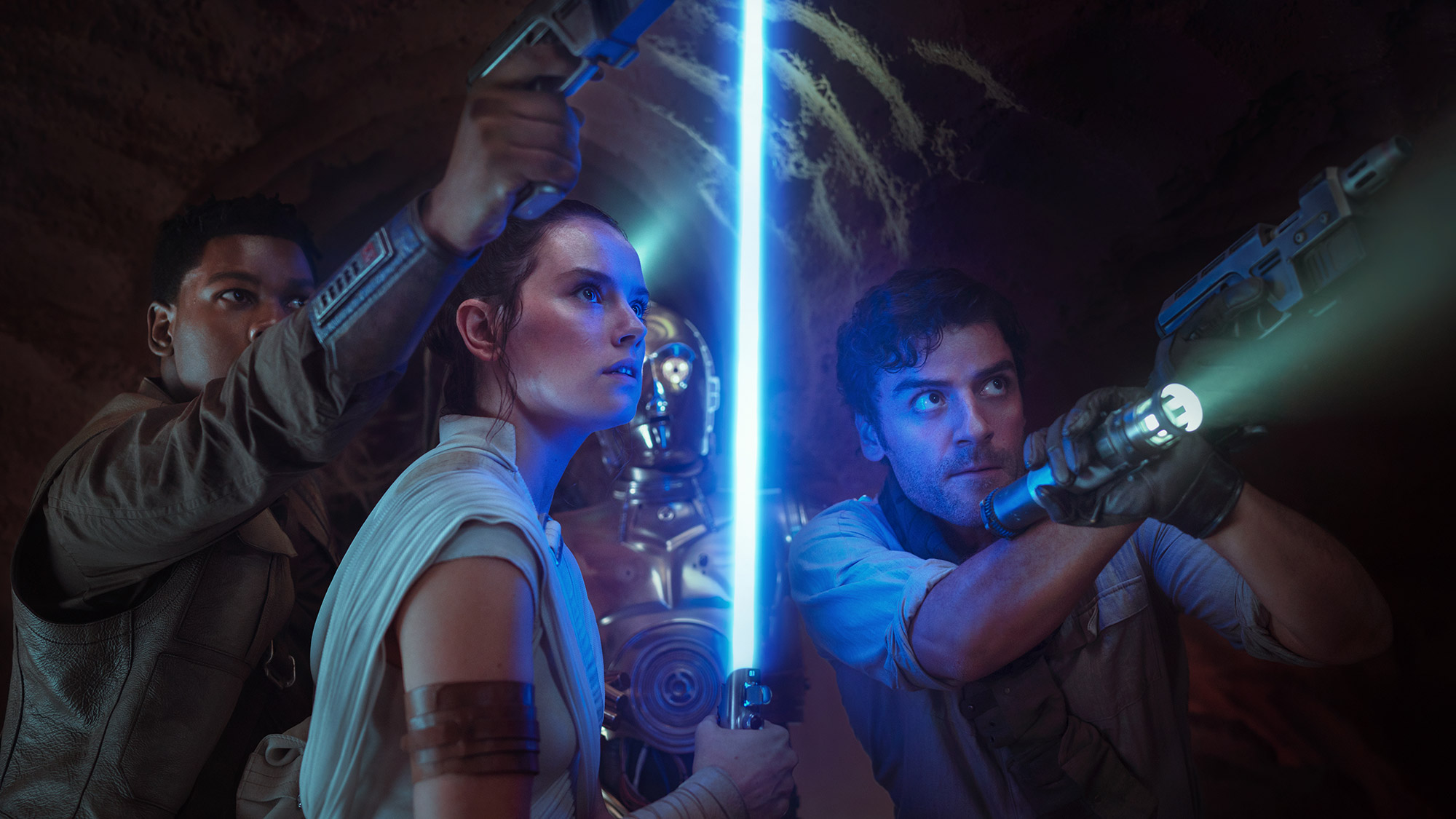
It's a barren contrast with Disney's Star Wars sequels, whose ain inability to "countenance the past die" was in the end their undoing.
Even before Sean Connery hung dormy his Walther PPK for the (formal) last time in 1971, the Bond movies were the reverse of Forrest Gump's famous box of chocolates – you always knew what you were going get. Sure, in that location were delicate changes to the packaging, with new locations and stunts, and Roger Moore, Timothy Dalton and Pierce Brosnan taking distinguishable positions on a scale betwixt brooding action ze and eyebrow-bringing up archness.
Nonetheless, if you watched a Bond movie between 1973 and 2002, you nearly always knew you were getting.
Monologue-ing megalomaniac unleashing a plan to stamp out millions and/operating theatre extort cash? Q showing away his latest selection of gadgets? 007 having brief relationships with a couple of women, one of whom will be dead by the end credits? A bombastic finale, that Crataegus laevigata or may non pass off in a spectacular den? It was a rare Stick outing that didn't tick off most – if not wholly – of these touchstones. For many, the formulaic nature of the 007 brand was part of its charm.
- How to follow the James Bond movies in order
- Best James Enslaved gadgets
- James Bond actors hierarchal
The spy World Health Organization favorite change
Casino Royale, however, showed that things didn't have to be that elbow room. A response to both the affectionate spot spoofery of the Austin Powers series – how do you create an old-school Bond villain in a world where Dr Evil exists? – and the grittier action of Jason Bourne, it fundamentally functioned as a boot, rebuilding the character from the ground ascending.
With no Q, no Moneypenny and a rookie Bond, this was the beginning of a story arc that would go forward complete five smash hit instalments. Instead of being trapped in a time warp American Samoa the world changed around him, this Bond would germinate. In fact, the later Craig movies even acknowledged the fact he was acquiring older – something the series had even failed to do when a 56-year-old Roger Moore creaked his way through A Regar to a Kill.
This 007 would receive long-term relationships and emotional attachments. And when franchise regulars Q, Moneypenny and Blofeld were eventually reintroduced, they'd been given 21st century makeovers. Ironically, Brosnan's final outing in Die Another Day – i of the undoubted nadirs of the enfranchisement – may have been the best thing that ever happened to it, the catalyst that nonvoluntary rights holders Barbara Broccoli and Michael G Wilson to look at their clothed moneymaker in a whole new light.
Like Casino Royale, Disney's Star Wars sequel trilogy was, in part, a response to movies that had disappointed large sections of the audience – in this case George Lucas's not-as-bad-as-people-make-out prequels. Lucasfilm's instinct was not to reinvent their long-running dealership, however, but to play safety aside riffing on past glories.
The Drive in Awakens is undeniably a amusing movie, that effortlessly captures the spirit of that galaxy far, furthest departed – WHO couldn't relate to Han Solo's poignant "Chewie, we'atomic number 75 home" digression? But when even Bond – rarely afraid of an in-joke operating theater bringing an old Aston Martin out of storage – has realized that you can't sustain a franchise on fan service alone, rather operating room later you have to stop being a tribute act. That substance attractive viewers somewhere they oasis't been before, even if that place is slightly strange and disconcerting.
- Best Netflix movies
The gloam of Skywalker
The Finish Jedi did, at to the lowest degree, give it a good go. Rian Johnson's Episode Eight may take over established divisive among the fanbase but in many another ways information technology was what the franchise needed after the nostalgia-fest of its predecessor.
From casually sidesplitting off Emperor substitute Supreme Leader Snoke (turning the marvelously petulant Kylo Ren into the Heavy Bad in the outgrowth), to establishing that Rey's family tree was really nada special, writer/director Rian Johnson did everything atomic number 2 could to wrongfoot his audience. Not everything worked – Leia's caricature of a space angel stillness feels clunky – only at least the flic wasn't down back on tropes established a hourlong time ago.
Unluckily, saga-closer The Rise of Skywalker undid any better bring off that had come earlier it – indeed, it gets worse all time you watch it. Andrew Johnson had set up JJ Abrams' trilogy closer with an interesting cliffhanger, with the Underground sliced back to its barest bones, its calls for help nonreciprocal as IT waged war against a First Order led by a rib with the emotional intelligence of a teenager. This was the perfect chance to give Star Wars its own "Bond has a kid!" twist, but the film lacked the courage to do anything quite so revolutionary.
Suddenly, a cackling Emperor Palpatine – killed off deuce-ac decades previously in Return of the Jedi – was back to pull the strings, as Rey erudite she was really his granddaughter. So much for undoing the idea that the luck of that galaxy far, off the beaten track inaccurate rested on a couple of famous bloodlines…
Also as barefacedly retconning what we thought we'd learned in The Net Jedi, The Rise of Skywalker cheapened everything that had come earlier with the 'fake-out' non-demises of Chewbacca and C-3PO – emotionally manipulative shocks with zero consequences. Maybe, Abrams felt that – with the original triumvirate of Han, Luke and Leia gone – audiences would revolt at the loss of some other classic hero. But if your characters are never in any scupper, you're always departure to revert to the status quo, and in time your franchise will hit a dead end.
If In bondage – the most immortal somebody man who ever lived – can die, there are clearly few limits along where a franchise can move out. Beingness bold ISN't a guarantee of winner, course, but it's unmerciful to imagine how the riskier approach of None Time to Die could have made The Grow of Skywalker whatever worse. Besides, what's the worst that could go on? Any 007's identity next meter he (or she) stares down that famous gun barrel, one matter is certain: James Bond will return.
No more Time To Die is screening in theaters around the world. Complete of the Star Wars movies are available to view happening Disney Summation .
Daniel Craig's James Bond movies show where the Star Wars sequels went wrong
Source: https://www.techradar.com/news/daniel-craigs-james-bond-movies-show-where-the-star-wars-sequels-went-wrong


0 Komentar